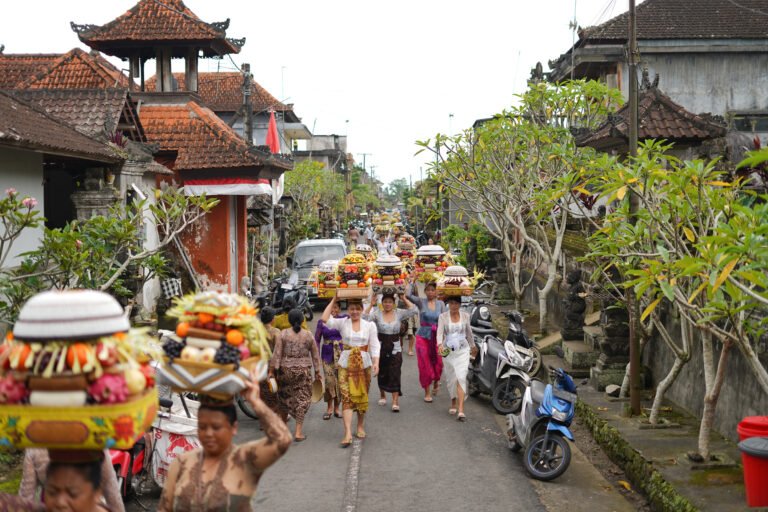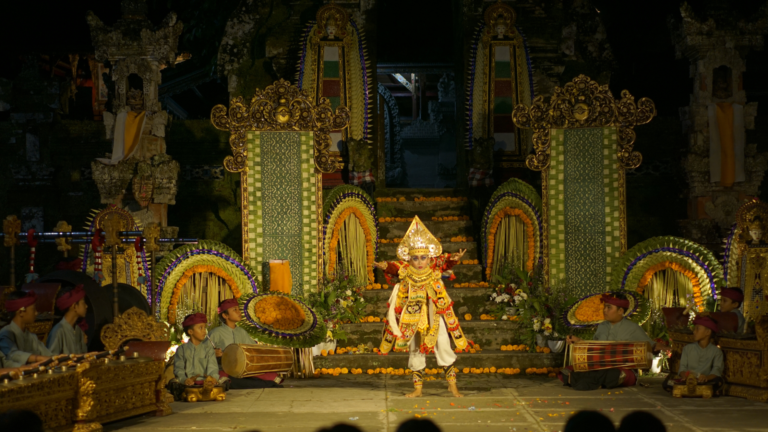

Bali is known for its beautiful temples, lush landscapes, and spiritual traditions. Among these traditions is melukat or purification, a Balinese Hindu purification ritual that uses sacred water and prayer as part of a spiritual cleansing process. For travellers who want to understand Balinese culture beyond its famous tourist attractions, experiencing purification in Sebatu Village offers an opportunity to learn about local beliefs, sacred water, and the importance of harmony in Balinese life.
Located in the Tegallalang area of Gianyar, Sebatu is known for its sacred water sites, traditional village atmosphere, and strong cultural heritage. Here, visitors can learn about purification traditions while being guided by people familiar with local customs.
If this is your first time participating in a melukat ceremony, this guide explains its cultural meaning, what to expect, how to prepare, and how to experience purification respectfully in Sebatu.
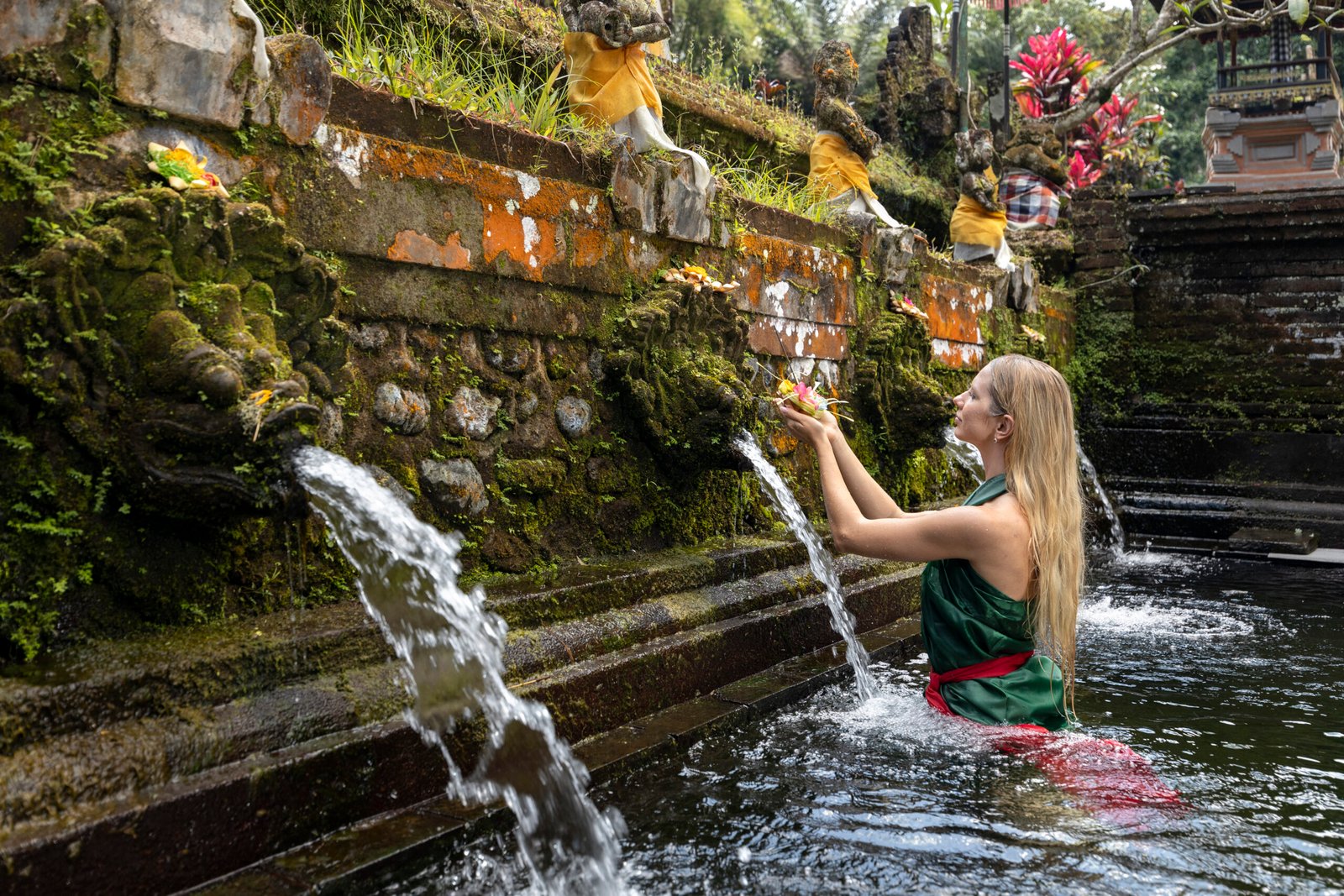
What Is Melukat in Balinese Culture?
Melukat is a traditional Balinese Hindu purification ritual associated with spiritual cleansing, prayer, and the restoration of harmony. Sacred water, known as tirta, has an important role in Balinese religious practices and is used in ceremonies and blessings.
For Balinese Hindus, purification is not simply about washing the body. It is a spiritual practice connected with devotion, reflection, and the intention to restore balance.
Travellers may encounter melukat during their visit to Bali, but the ceremony remains a living religious tradition for the local community. Understanding its cultural significance helps visitors approach the experience with greater appreciation and respect.
Although some visitors describe melukat as a wellness experience, it should not be presented as a medical treatment or a guaranteed way to remove negative energy. Its meaning is rooted in Balinese Hindu beliefs and individual spiritual practice.
Where Can You Experience Purification in Sebatu?
Sebatu offers sacred water sites where visitors can learn about and participate in purification rituals, subject to local rules and arrangements.
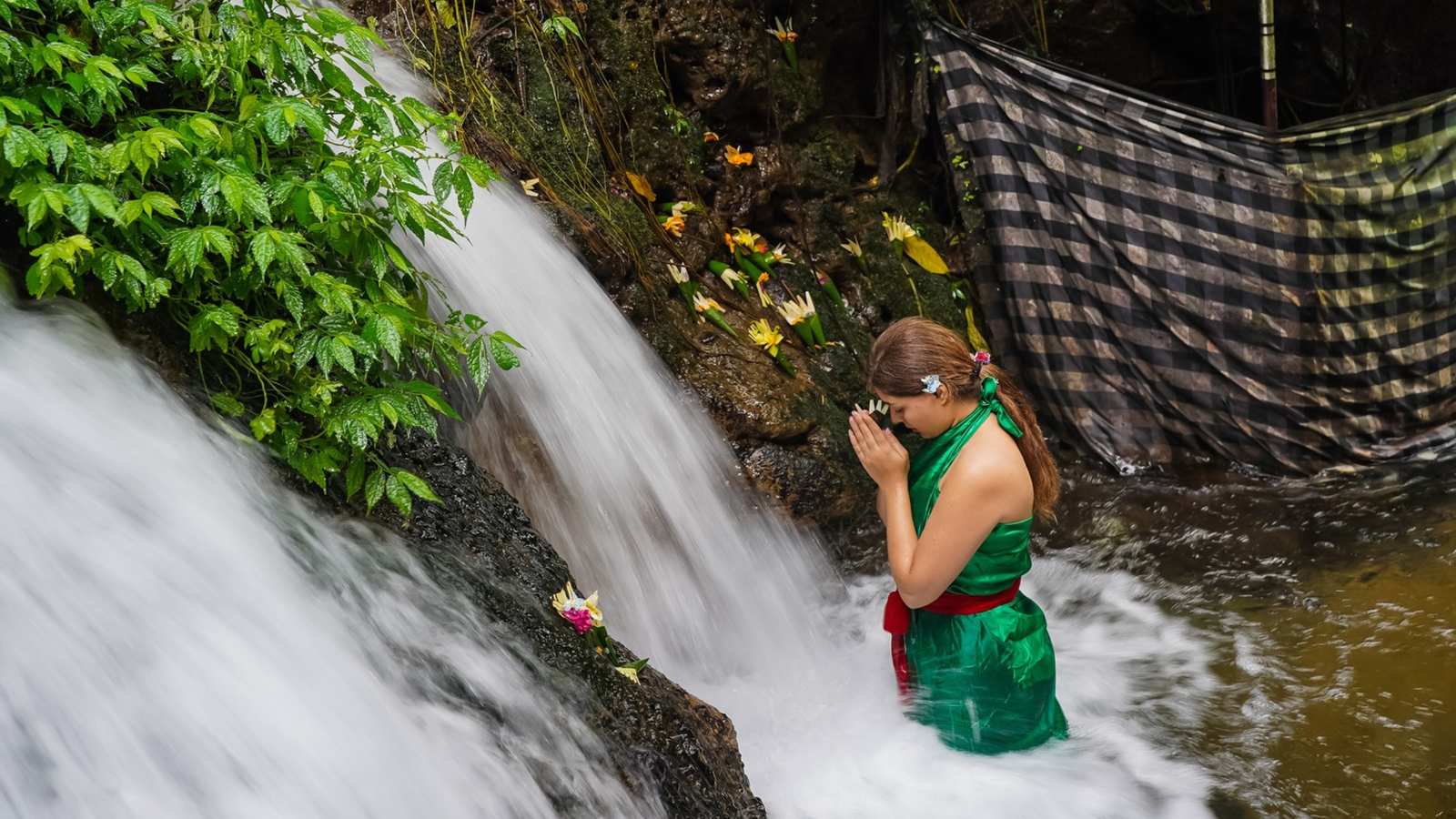
1. Sebatu Holy Water – Penglukatan Dalem Pingit
Sebatu Holy Water, associated with Penglukatan Dalem Pingit, is a sacred water site in the Sebatu area. Surrounded by natural greenery, it provides a setting for prayer and purification through flowing spring water.
The purification experience generally involves preparing for the ritual, offering prayers, and following the guidance provided at the site. Visitors should check the local requirements before entering the sacred water area.
For first-time visitors, a local guide by team Puri Gangga Resort can help explain the customs and the appropriate way to participate. It is also advisable to arrange your visit in advance, especially if you require assistance with the ritual, offerings, or a specific time slot.
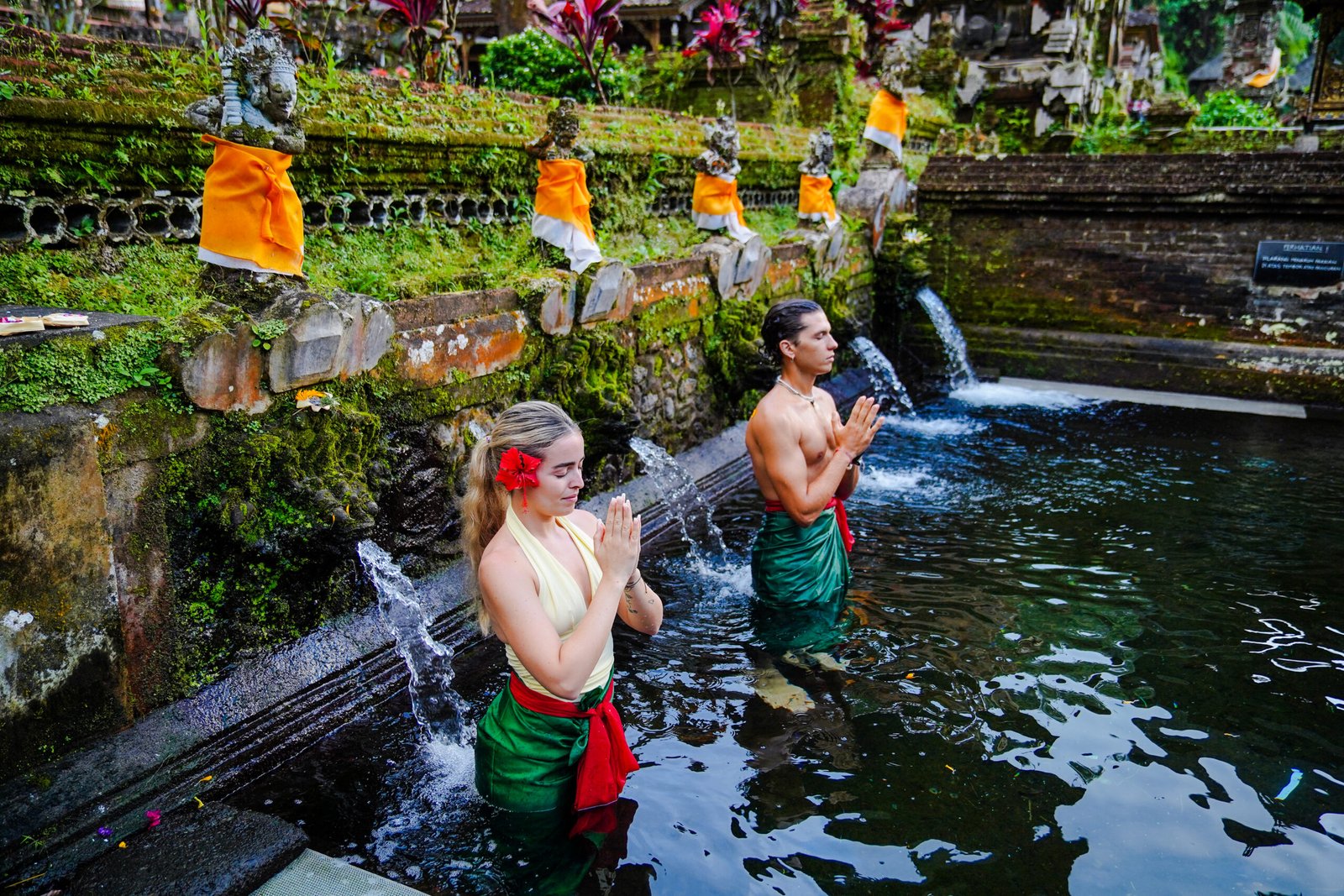
2. Pura Gunung Kawi Sebatu
Pura Gunung Kawi Sebatu is a sacred temple complex known for its spring water, traditional architecture, and peaceful garden surroundings. Water is an important element of the temple’s religious significance, and purification rituals form part of its spiritual tradition.
A visit offers an opportunity to appreciate both the temple environment and the cultural meaning of sacred water in Bali.
Visitors should remember that this is an active place of worship. Access to particular areas may depend on temple rules, ceremonies, and local guidance. Dress respectfully and follow the instructions of temple attendants or your guide.
What Happens During a Melukat Ceremony?
The exact procedure can differ depending on the sacred site, local customs, and the guidance provided. However, a guided purification experience may include the following stages.
1. Preparation and Traditional Attire
Before beginning, visitors receive guidance about appropriate clothing and conduct. A sarong and sash may be required, depending on the location and its rules.
You may also be advised to bring a change of clothes and a towel, as you will enter the water during the ritual.
2. Preparing the Offering
Offerings are an important part of Balinese Hindu religious practice. Depending on the site and the ceremony, visitors may be asked to prepare or obtain an offering before the ritual begins.
If you are unfamiliar with the process, ask your local guide or the site attendant for instructions. Offerings should be treated as sacred items rather than souvenirs or decorations.
3. Prayer and Setting an Intention
The ritual may begin with prayer or a moment of reflection. Participants are encouraged to approach the ceremony calmly and respectfully.
You do not need to be an expert in Balinese culture to participate appropriately. Listen to the guidance provided, observe the people around you, and ask questions before the ritual if anything is unclear.
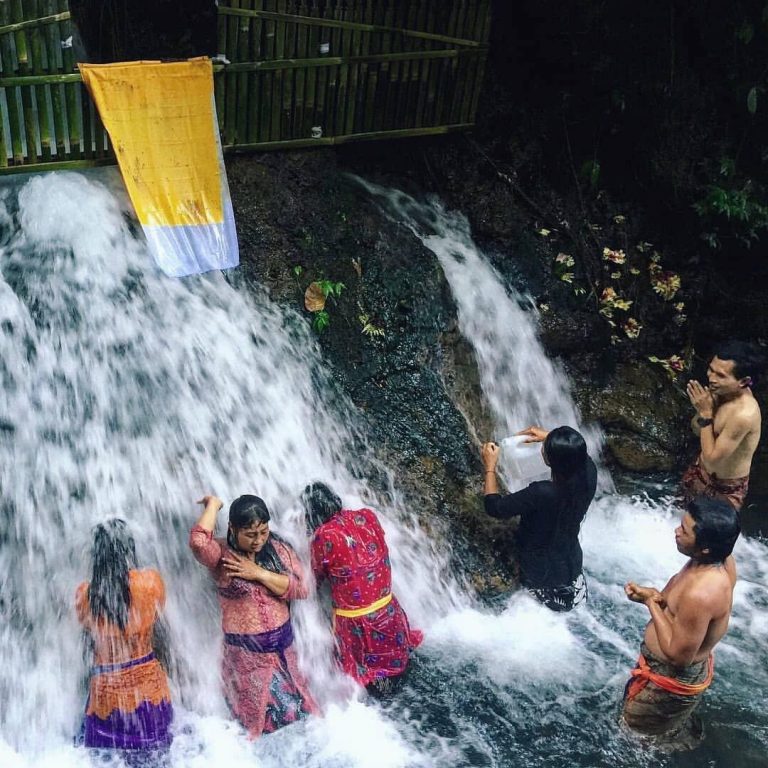
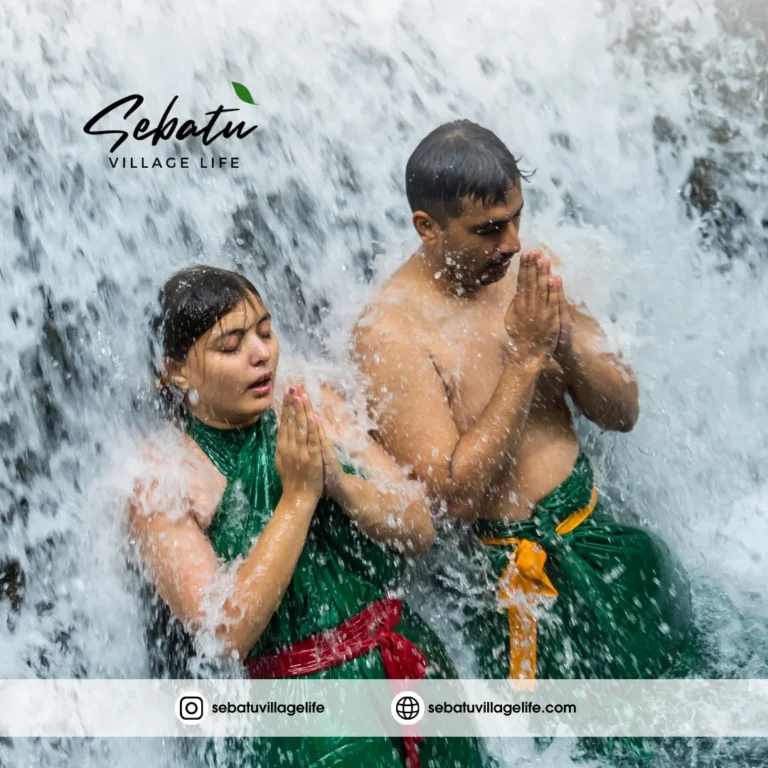
4. Purification with Sacred Water
Participants enter the designated water area and follow the ritual instructions given by the local guide or temple attendant.
The sequence, number of water spouts, and specific practices can vary by location. For this reason, do not assume that every purification site follows the same procedure.
Follow the guidance at your chosen location and avoid entering areas that are restricted or reserved for particular religious purposes.
5. Closing Prayer and Reflection
After the water ritual, there may be a closing prayer or blessing, depending on the local practice.
Take a moment to reflect on the experience and allow others to complete their rituals without interruption. For many visitors, learning about the meaning of purification is just as important as participating in the ceremony itself.
What Should First-Time Visitors Bring?
Preparing in advance can make your purification experience more comfortable.
- A change of clothes: You may become completely wet during the ritual.
- A towel: Useful after leaving the sacred water.
- Modest clothing: Follow the dress requirements of the temple or sacred site.
- A sarong and sash: Check whether these are provided or need to be arranged separately.
- Offerings: Ask in advance whether offerings are included or available at the location.
- A waterproof bag: Useful for keeping personal belongings dry.
- An open and respectful attitude: Be ready to follow local customs and instructions.
Confirm any required items, entrance fees, guide arrangements, and additional costs before your visit.
Cultural Etiquette: How to Respect the Purification Ritual
Melukat is a sacred practice, so respectful behaviour is essential.
Dress appropriately. Follow the clothing requirements of the sacred site and cover yourself modestly.
Follow local guidance. Each location may have different rules regarding the ritual, access, and offerings.
Ask before taking photographs. Photography may be restricted in certain areas or during specific parts of a ceremony. Always ask permission before photographing local people or religious activities.
Remain quiet during prayers. Avoid loud conversations, disruptive behaviour, or unnecessary phone use.
Respect restricted areas. Some spaces are intended for worshippers or specific ceremonies. Do not enter without permission.
Do not treat the ritual as a performance. Melukat has religious and cultural meaning for the local community. Participate thoughtfully rather than focusing only on photographs or social media content.
Check local requirements before entering the water. Follow any instructions regarding appropriate participation, clothing, and safety.
Should You Book a Purification Experience in Advance?
Advance arrangements are recommended, especially for first-time visitors who would benefit from local guidance.
Booking ahead can help you confirm the location, preferred time, guide arrangements, and whether offerings or traditional attire are provided. It also gives the host an opportunity to explain the expected duration and any site-specific requirements.
If you are staying in Sebatu or the surrounding Ubud area, ask your accommodation provider whether they can assist with transport and arrangements.
Through Puri Gangga Resort’s purification experience, visitors can enquire about guided melukat experiences at Sebatu Holy Water or Pura Gunung Kawi Sebatu. Availability and arrangements should be confirmed before booking.
Stay in Sebatu and Explore Balinese Culture with Puri Gangga Resort
Experiencing purification can be part of a wider journey to discover the culture and traditions of Sebatu Village. Staying nearby allows visitors to explore the area at a more relaxed pace and learn about the relationship between local spirituality, nature, and everyday village life.
Puri Gangga Resort is located in Sebatu Village, Tegallalang, Gianyar, and offers accommodation surrounded by the natural landscape and cultural atmosphere of Bali.
Beyond purification, guests can explore cultural and wellness experiences, enjoy local cuisine at Kailasha Restaurant, and relax with treatments at Dewi Gangga Spa.
Travellers who want to combine accommodation with cultural exploration can also discover the Sebatu Village Life Package. The package includes a village tour, a visit to Ulu Petanu Waterfall, dinner at Kailasha Restaurant, and selected wellness and cultural activities, subject to the package terms.
By combining a stay at Puri Gangga Resort with experiences offered through Sebatu Village Life, visitors can discover more of Sebatu beyond a single temple visit.
Frequently Asked Questions About Purification in Sebatu
What is the best place for purification in Sebatu?
Sebatu Holy Water, associated with Penglukatan Dalem Pingit, and Pura Gunung Kawi Sebatu are two sacred sites where visitors can learn about Balinese purification traditions. The most suitable location depends on the visitor’s interests, local access rules, and available arrangements.
Can first-time visitors participate in purification?
Visitors may be able to participate, depending on the rules of the sacred site and the arrangements available. First-time visitors should ask for guidance and follow local customs throughout the ceremony.
What should I wear for purification in Bali?
Wear modest clothing and follow the site’s requirements. A sarong and sash may be required. Bring a change of clothes and a towel because the ritual involves entering sacred water.
Do I need a local guide for purification in Sebatu?
A guide is helpful for first-time visitors because they can explain the ritual, local customs, and appropriate conduct. Confirm in advance whether a guide is available and included in your arrangements.
Are offerings provided during the purification experience?
Offerings may be available at or near a sacred site, or they may need to be arranged separately. Ask your guide or accommodation provider what is included before your visit.
How long does a purification ceremony take?
The duration varies according to the location, the ritual, and the arrangements. Confirm the expected duration with your guide before booking, particularly if you have other activities planned.
Can I take photos during melukat?
Photography rules vary by location and ceremony. Always ask permission and follow the instructions of the local guide or temple attendants. Some areas or parts of the ritual may not be suitable for photography.
Where can I stay when experiencing purification in Sebatu?
Puri Gangga Resort is an accommodation option in Sebatu Village. Guests can enquire about purification arrangements and explore the resort’s cultural, dining, and wellness experiences during their stay.
Discover Purification and Living Culture in Sebatu Village
Purification in Sebatu offers more than an opportunity to enter sacred spring water. It provides a chance to learn about Balinese Hindu traditions, understand the cultural significance of water, and appreciate the customs that remain part of community life.
For first-time visitors, the most meaningful approach is to prepare in advance, follow local guidance, and participate with respect.
Discover the cultural heritage of Sebatu with Sebatu Village Life, and consider staying at Puri Gangga Resort to explore the village’s sacred sites, local traditions, and natural surroundings at a comfortable pace.
Plan your visit in advance to confirm the purification location, local guide availability, offerings, dress requirements, and any additional costs.