
What Is Melukat?
This story is part of Notes From Sebatu — a collection of everyday reflections from village life, written slowly, the way Sebatu lives.
My name is Ayu Lestari, part of Sebatu Village Life Team. I’m 23, and I’ve lived in Sebatu my whole life.
I grew up between rice fields, water temples, and quiet village roads. My days are simple — helping family, meeting friends, joining ceremonies, walking past the same trees that have always been there. Life here isn’t exciting in the way people imagine Bali to be, but it feels full. There’s always something happening, even when everything looks calm.
Melukat is part of that life.
I don’t remember when it became something I did consciously. At some point, it just felt natural. When my mind feels crowded, when my emotions feel heavy, or when I simply feel off without knowing why — I go to the water.
That’s what melukat is to me, the Balinese Water Purification Ritual.

What Melukat Means
Melukat isn’t about fixing problems. It’s about returning to balance.
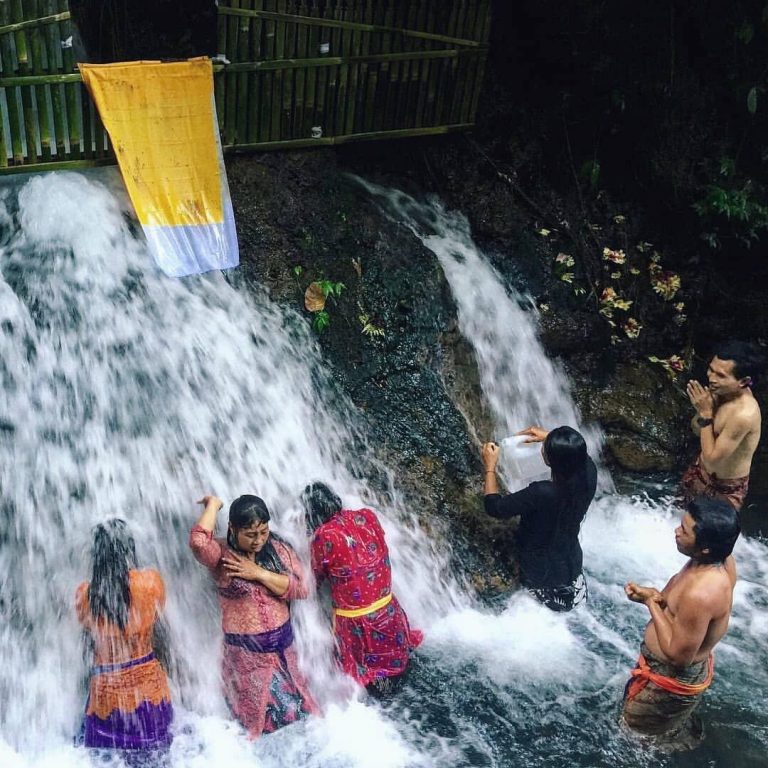
For people in Sebatu, water isn’t just something we use every day. It’s something we respect. It carries energy, memory, and intention. When I step into a purification spring, I’m not trying to change my life — I’m letting go of what doesn’t need to stay.
Sometimes that’s stress.
Sometimes it’s emotion.
Sometimes it’s just noise.
Why Water Feels Different Here
Before entering the water, I always pause.
Not to ask for something big. Just to breathe. My grandmother used to say that water understands you even when you don’t know what to say. I didn’t really believe that when I was younger. Now I do. That’s why purification places are quiet. Loud intentions don’t belong there.
How I Do Melukat
There’s no perfect way.
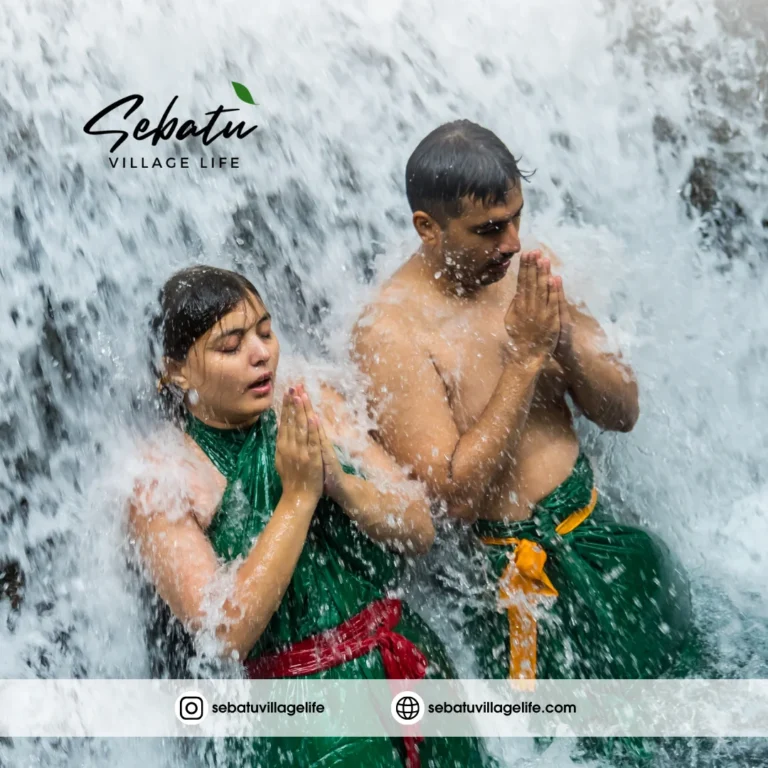
I wear a sarong and sash because it helps me slow down. I don’t rush into the water. I let it touch my head, my shoulders, my back — wherever the tension is hiding that day.
Sometimes I pray.
Sometimes I stay silent.
Both feel right.
Not Every Place Is the Same
Even in one village, every purification place has its own feeling.
Some are gentle. Some feel deeper. Some aren’t places you visit casually. That’s why we listen — to the caretakers, to elders, and to the place itself.
If you want to understand purification in Sebatu, this is a good place to begin: Purification in Sebatu
When Visitors Join
Visitors often ask what they should do during melukat.
I always say the same thing — come quietly. Follow guidance. Put your phone away. Respect the space.
Melukat isn’t something you perform. It’s something you experience.
Why Sebatu Feels Calm
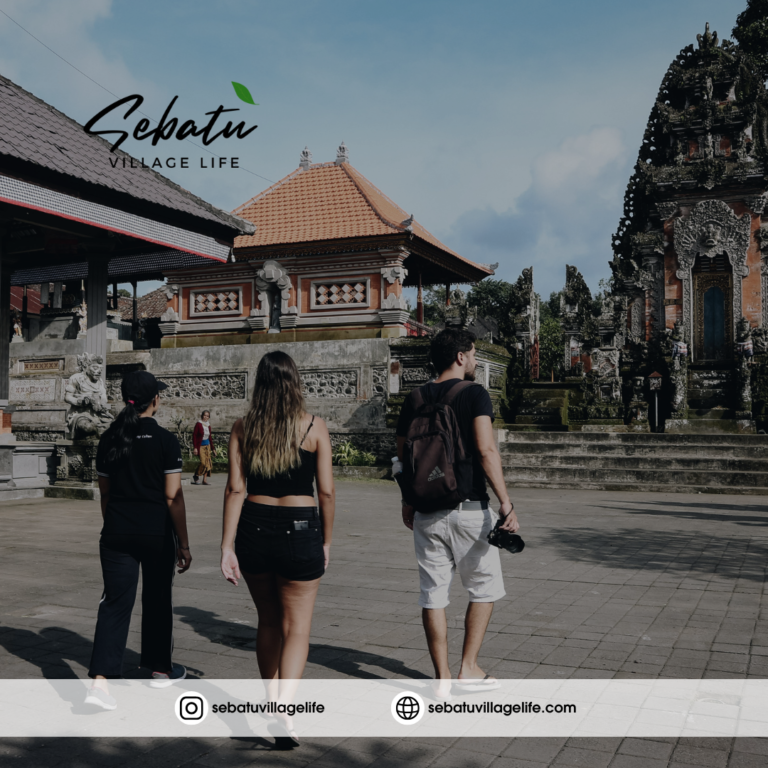
Sebatu isn’t untouched — it’s protected. Water temples, forests, rice fields, and village life exist together here. Nothing is trying to impress you. That’s why purification feels natural, not staged.
After the Purification, Coffee First
For me, melukat doesn’t really end at the spring.
It continues in the quiet afterward — walking slowly through the village, sitting somewhere green, letting the feeling stay a little longer. Going straight back into noise always feels too fast, like closing a door before the air has settled.
That’s why I like staying close.
Most mornings after purification, I stop for coffee. Nothing rushed, nothing complicated. I usually visit Kailasha Restaurant, where the air is open and the village still feels half asleep. A warm cup in my hands helps bring everything back down gently.
Melukat doesn’t change who I am. It helps me stay steady inside the life I already have.
If you’re visiting Sebatu and want to experience this rhythm, staying nearby makes a difference. explore more at → Stay in Sebatu
Notes From Sebatu
This story is part of Notes From Sebatu — a quiet series about village life, purification, and slow mornings.
If you’d like to follow more stories like this, keep reading Notes From Sebatu with me.
Warm Regards — Ayu Lestari